
Solar Equipment for Your Project
Choosing solar equipment involves more than selecting a panel. Components need to work together as part of a properly designed system.
SolarEnergySupply.ca helps customers enquire about core product categories and identify the details needed to discuss suitable options.
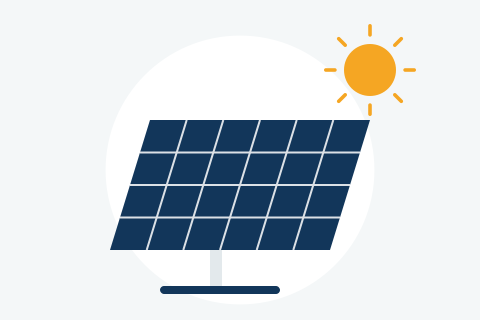
Solar Panels
Photovoltaic (PV) panels convert sunlight into direct-current (DC) electricity. Panels are typically compared by their power rating (measured in watts), efficiency (how much of the available sunlight they convert), and their physical dimensions and weight, which affect how many fit on a roof or mounting structure.
The right panel depends on the available space, how the system will be mounted, and the inverter and electrical design it will connect to.
Key selection considerations
- Power rating and efficiency relative to available roof or ground space
- Panel dimensions and weight for the mounting structure
- Compatibility with the planned inverter and system voltage
- Suitability for the project type and site conditions
- Manufacturer documentation, certifications and warranty terms
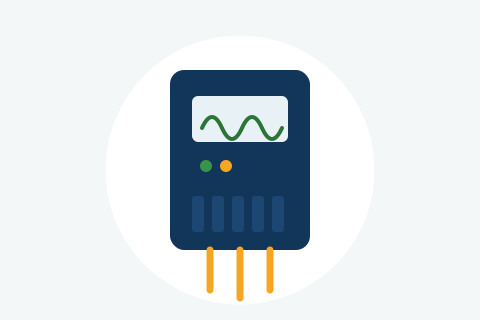
Solar Inverters
An inverter converts the DC electricity produced by solar panels into alternating-current (AC) electricity that can be used in a building or exported to the grid. It is central to how a system performs and is monitored.
Key selection considerations
- Inverter type and capacity matched to the panel array
- Whether battery storage is planned now or later
- Grid connection requirements and monitoring features
- Installation location and environmental ratings
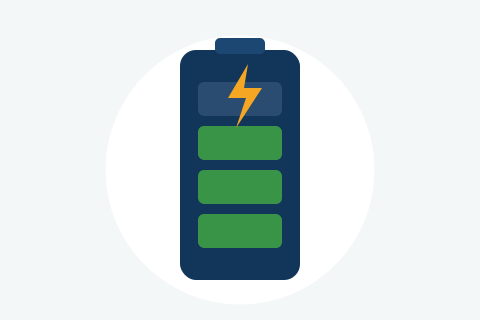
Battery Energy Storage
Batteries store energy so it can be used later, for example in the evening or during periods of low solar production. Battery capacity is usually described in kilowatt-hours (kWh), and the amount of power a battery can deliver at once determines which loads it can support.
Depending on the system design, battery storage may also provide backup power for selected circuits during a grid outage. Backup capability depends on the battery, inverter and how the system is installed.
Key selection considerations
- Usable storage capacity and power output
- Compatibility with existing or planned inverters
- Whether backup power is a goal, and for which loads
- Installation location, temperature range and space
- Expandability and manufacturer warranty terms
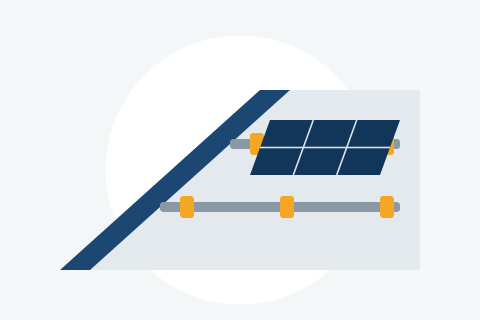
Mounting and Racking Systems
Mounting and racking systems secure solar panels to a roof or the ground. Roof-mounted systems attach to the roof structure using rails, clamps and flashing suited to the roofing material. Ground-mounted systems use a free-standing frame and foundations, and can be positioned for orientation and tilt where space allows.
The structure must be able to carry the system along with local snow and wind loads, which is why structural suitability and installation requirements should be reviewed before equipment is selected.
Key selection considerations
- Roof type, condition and pitch, or ground conditions
- Structural suitability for snow and wind loads
- Compatibility with the selected panel dimensions
- Installation instructions and any permit requirements
Electrical Components and Accessories
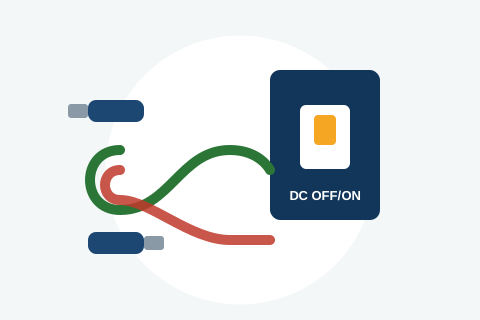
A solar system relies on the components that connect everything together: solar cables rated for outdoor use, connectors that join panels and strings, disconnects that allow parts of the system to be isolated safely, and protection equipment such as fuses, breakers and surge protection.
Key selection considerations
- Voltage and current ratings
- Cable sizing and outdoor/UV rating
- Connector compatibility
- Disconnect and protection requirements
- Applicable electrical code requirements
- Enclosures and mounting accessories
Solar Kits and System Packages
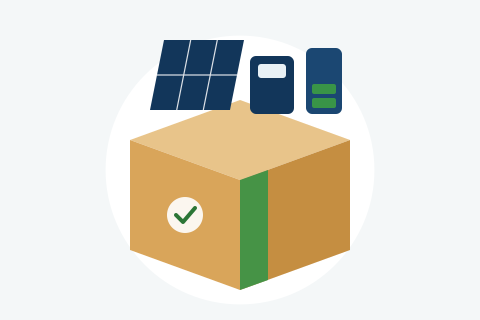
Where available, solar kits bring together coordinated equipment, such as panels, an inverter, mounting hardware and accessories, into a single package. Kits can simplify sourcing, but it is important to confirm exactly which components are included and that they suit your site and goals.
Key selection considerations
- Complete list of included and excluded components
- Compatibility between all components in the package
- Suitability for your property, energy use and mounting method
- Documentation, installation instructions and warranty terms
Need Help Finding the Right Equipment?
Share your product requirements, estimated quantities, project type, location, and expected timeline. We will review the details and follow up about suitable options, availability and pricing.